
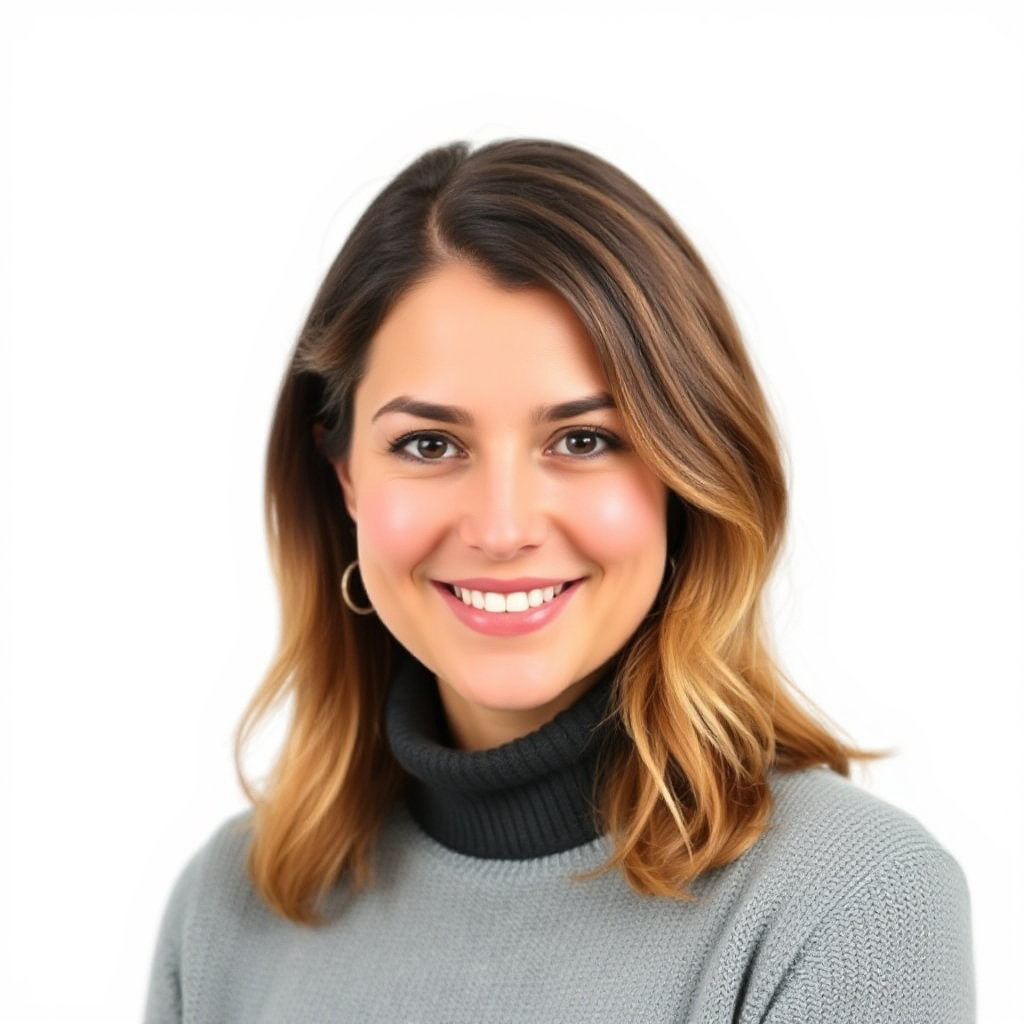
The US President and President Gustavo Petro have intensified the rhetoric of their war of words, increasing strains between the two countries after US forces targeted Venezuela with the aim of deposing the leader of Venezuela Nicolás Maduro from his position.
"He runs cocaine mills and production sites and is not going to be doing it very long," Trump added.
Growing Rhetoric coupled with Allegations
Addressing the press over the weekend, the American leader threatened analogous armed intervention towards the South American nation, claiming the country is “very sick too” and “run by a problematic figure involved in producing narcotics and selling it to America."
While Colombia stands as the world’s largest cocaine-producing country, no proof exists linking President Gustavo Petro, the nation's current leader, is directly involved in the business.
A Strained Relationship
The country has long been a key ally of the US in the struggle against drug trafficking and enjoyed wide political approval in Washington, yet ties have soured dramatically since Trump assumed the presidency.
Colombia’s illicit drug economy is largely controlled by illegal armed groups including one major cartel, the National Liberation Army (ELN) and dissident factions of the demobilized Farc, the majority of whose members laid down arms following a historic peace agreement.
Colombia's Firm Response
When asked if military intervention like that in Venezuela was on the cards regarding Colombia, Trump responded: "That seems like a good idea to me personally."
Petro, an ex-guerrilla fighter who left armed struggle in the last century, rejected Trump's claims. "I am no illegitimate nor am I a narco," he stated.
"The US president speaks uninformed. Cease defaming me," he wrote in a message.
"Should American forces attack rural communities, they will become a multitude of fighters in the hills. If they capture the nation's leader, whom a significant portion of the country holds in high esteem, they will release the fierce spirit of the populace," Petro warned.
From Fighter to Leader
He passed a period in his early life participating in the left-wing M-19 guerrilla group though it is believed that he never participated in combat. Upon leaving the group, he participated in creating a new constitution in the early 90s and eventually served as an influential politician. He served as mayor of the capital city before winning the nation's highest office.
"I swore not to touch a gun ... but for the homeland I will take up arms again," he said.
Increased Security along with Broad Opposition
The Colombian defence minister stated that Petro's protection team had been reinforced.
Many among Colombia’s political right have sided with the US president, yet figures spanning Colombian politics have rejected the possibility of American military action on Colombia.
Diplomatic and Financial Sanctions
The US cancelled the president's entry visa after he encouraged US troops to disobey unlawful commands. In October, the US enacted economic restrictions targeting Petro, his wife and several close collaborators.
Simultaneously while America bolstered its military presence near Venezuela and bombing alleged narcotics traffickers to put pressure on Venezuela’s Maduro, the US also carried out strikes on boats in the eastern Pacific region off the Colombian coast.

